Been vs. Gone for Kids
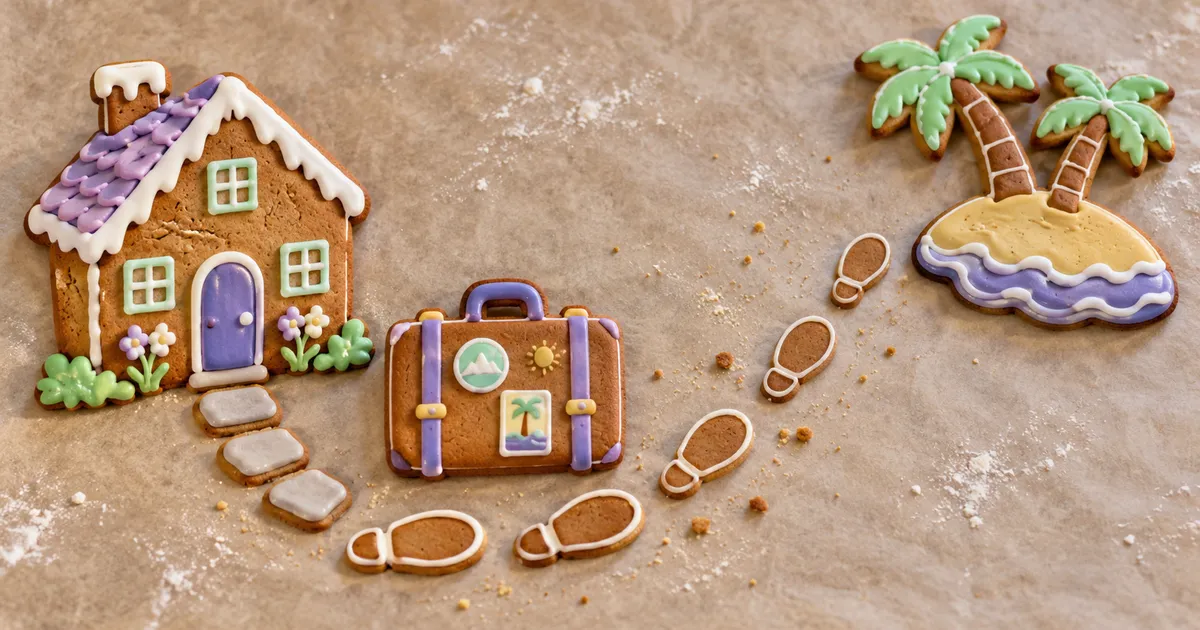
Most children stop mixing up "been" and "gone" around age seven or eight, once they can picture a round trip versus a one-way trip — and that single distinction is the core of this "Been" and "Gone" for Kids: A Practical Guide. Both words share the same verb, "go," and both sit inside the present perfect (has/have + a past participle). Kids mix them up because many home languages use just one word for both kinds of trips. Below you'll find the plain rules, kid-sized examples, common mistakes, and games to try at the kitchen table.
📥 Been or Gone? Practice Pack
Learn when someone has returned and when someone is still away
Leave your email — we'll send the PDF to your inbox.No spam — the PDF plus one short reminder. Unsubscribe anytime.
What Your Child Needs to Understand First
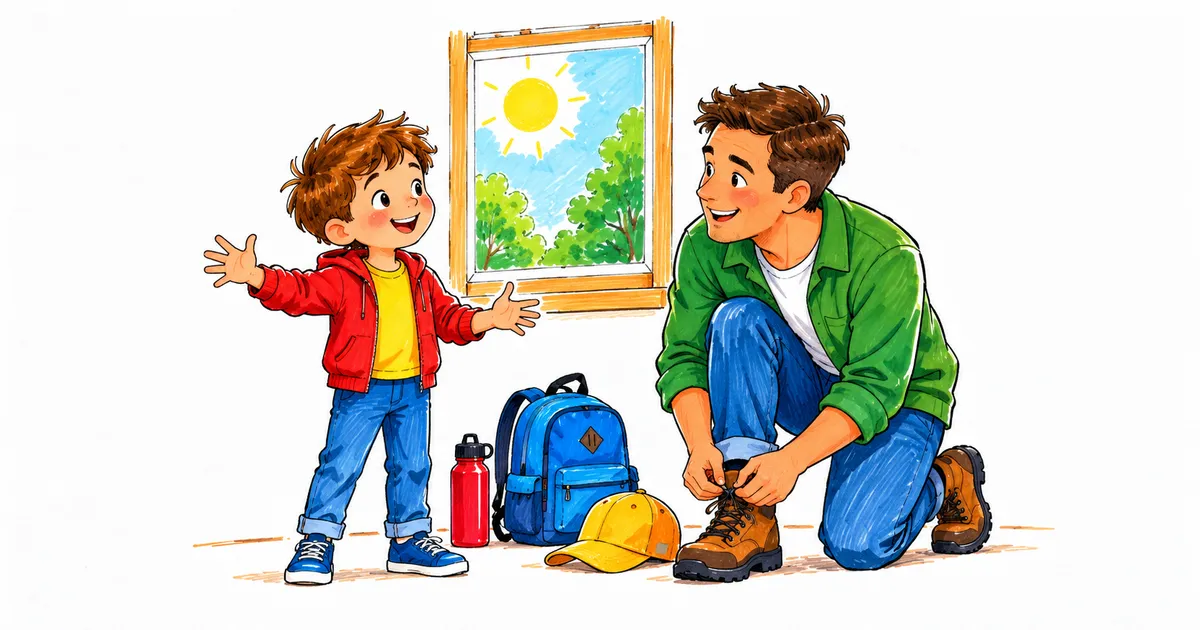
Before the grammar, a child needs one clear picture: a door. When someone walks out the door and walks back in, we say they "have been" somewhere. When someone walks out the door and is not back yet, we say they "have gone" somewhere. The person is either here again or still out — that is the only choice.
This is why "been" and "gone" for kids works best as a story about coming home. A five-year-old does not need the words "past participle" to feel the difference between "Mum has been to the shop" (she is home, bags on the table) and "Mum has gone to the shop" (her chair is empty). Start with people the child knows and places the child loves.
Across LearnLink lessons, our tutors introduce this pair with real family moments, not abstract charts, so the meaning arrives before the label does.
How the Grammar Works
Both words are the present perfect of "go." You build it with "has" for one person (he, she, it) and "have" for the rest (I, you, we, they), then add the participle. "Been" is the participle we borrow from the verb "be," and "gone" is the participle of "go." English uses them as a matched pair to tell listeners whether the trip is over.
Here is the key move in this "Been" and "Gone" for Kids: A Practical Guide — "been to" almost always means the person returned, and "gone to" means the person has not returned yet. So "I have been to Grandma's house" tells us the child is home now, while "Dad has gone to work" tells us Dad is still there.
One small note for older children: we say "been to a place," but "gone to a place." The little word "to" stays the same, so the only thing that flips the meaning is the participle itself.
Rules and Examples
Read these lines aloud with your child and act out the door each time. When you say "been," step in. When you say "gone," step out and stay out. The body movement locks the rule into memory faster than any worksheet.
Notice the last row: for questions about life experience — "Have you ever been…?" — we always choose "been," because we are asking whether the whole trip ever happened and closed. This experience use of "been" and "gone" for kids shows up often in reading books and travel talk.
Common Mistakes Children Make
The first mistake is using "gone" for a finished trip: "I have gone to the museum, it was fun." If the child is telling you about it at home, the trip is over, so the correct word is "been." A quick fix: ask "Are you back?" If yes, use "been."
The second mistake is dropping "has" or "have." Children say "She been to the beach" and lose the helper verb. The pair only works with has/have in front, so we practise the full shape: "She has been to the beach."
The third mistake is swapping the participles into other verbs, like "I have go home." A gentle reminder inside this "Been" and "Gone" for Kids: A Practical Guide — "go" becomes "gone" or "been" in the present perfect, never plain "go."
Practice 1: Been or Gone?
Fill each gap with "been" or "gone." 1) Sam has ___ to bed, so the house is quiet. 2) We have ___ to that café before; the cake was lovely. 3) Have you ever ___ to a farm? 4) Where is Lily? She has ___ to her friend's flat. 5) I have ___ to three countries this year. (Answers: gone, been, been, gone, been.)
Practice Activities for Home
Games turn this rule into something a child wants to repeat. Keep each round short — two or three minutes is plenty for a young learner. Praise the meaning first, then tidy up the grammar.
Try "Empty Chair": one family member leaves the room and the child says "___ has gone to the ___." When that person returns, the child updates the news: "___ has been to the ___." The change from gone to been becomes a live, visible event.
For readers school-age kids, play "Passport Stamps." Draw six stamps for pretend places. As the child taps each stamp, they say "I have been to ___." Then point to one place they are visiting right now and switch to "I have gone to ___." This is where "been" and "gone" for kids becomes real practice, not memorising.
Practice 2: Fix the Sentence
Each line has one wrong word. Rewrite it correctly. 1) I have gone to the shop and I am home now. 2) She been to the doctor yesterday. 3) They has gone to the cinema. 4) Have you ever gone to the seaside? 5) He have been to bed already. (Answers: I have been to the shop; She has been to the doctor; They have gone to the cinema; Have you ever been to the seaside; He has gone to bed.)
Why This Matters in Real Conversations
Getting "been" and "gone" right helps your child be understood, not just correct on paper. Across LearnLink lessons, our tutors help children build confident, everyday English step by step. The word choice carries real information about where people are.
It also builds reading confidence. Story books lean on this pair constantly — "The bear has gone into the woods," "The children have been to the fair." When a child owns the rule, these sentences stop being puzzles and become pictures. That is the quiet win behind this "Been" and "Gone" for Kids: A Practical Guide.
- Read one short picture book together tonight and ask your child to spot every "been" and "gone" out loud.
- Practice with 5 daily examples: "I have been to the park" vs "He has gone to school" before bedtime.
- Use a simple chart with two columns labeled "been" and "gone" for kids to sort sentences.
- Correct one mix-up gently during dinner conversation instead of stopping the child mid-sentence.
- Set a 10-minute weekly review to quiz your child with 8 mixed sentences using both words.
When a word has several meanings or pronunciations, Cambridge Dictionary is a useful check before turning it into child-friendly examples.
Frequently Asked Questions
At What Age Can My Child Learn "Been" and "Gone"?
Children from about age five can grasp the meaning through the "door" picture — went and came back versus went and stayed away. The grammar labels can wait until roughly age eight or nine. For younger kids, focus on acting out trips and using the words in family talk. Understanding the idea always comes before naming the tense, and both grow with everyday practice.
Is "Been" Always About the Past?
Not exactly. "Been" describes a finished trip or a past experience that connects to now — "I have been to the child" means the visit happened and shaped what you know today. It is not the same as the simple past "I went." Use "been" when the point is the completed experience, and use "went" when you name a specific past time, like "I went to the child in May."
How Do I Explain the Difference Without Confusing My Child?
Use one question: "Are they back?" If the answer is yes, choose "been." If they are still away, choose "gone." This "Been" and "Gone" for Kids: A Practical Guide keeps the whole rule inside that single check, so your child does not need to remember charts. Repeat the question during real moments at home, and the choice will start to feel automatic.
Why Does My Child Keep Saying "Have Go" Instead of "Gone"?
This is normal. Many home languages do not change the verb after "have," so children carry that habit into English. Gently model the correct form — "Yes, he has gone" — rather than correcting harshly. Over a few weeks of hearing the right shape, most children self-correct without any drills or pressure.
A short one-to-one lesson can show what level and pace fit your child — book a trial English lesson.
Stay updated on our latest tips and resources by following us on Instagram LearnLink.